
Why Nature Is Part of the Method: The Role of Place in Honest Conversations
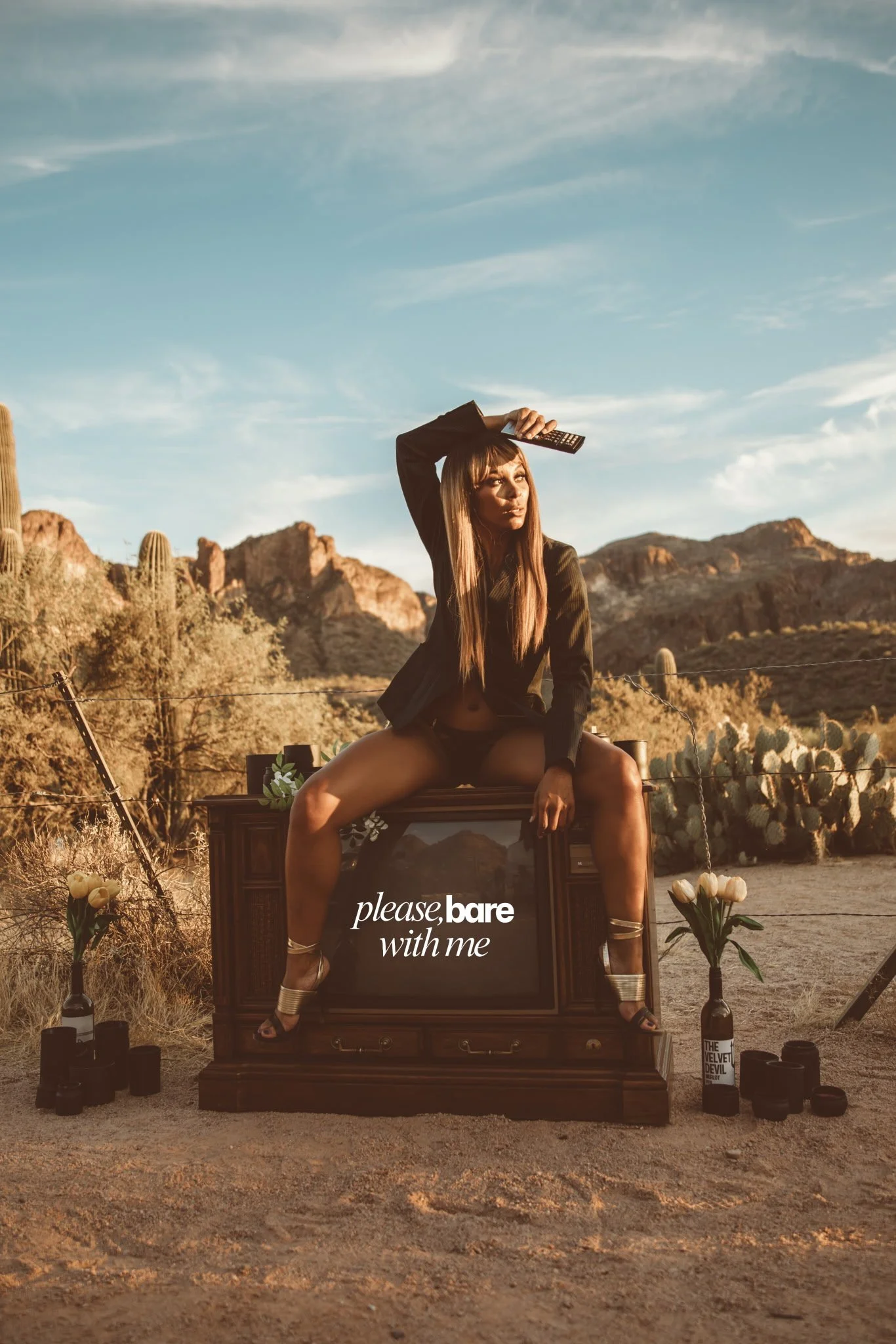
There are some conversations that can survive fluorescent light, rigid seating, and four walls with no air in them. And then there are conversations that need sky, the wind, and slowness.
Some conversations need the nervous system to remember that it is not being managed, monitored, or asked to produce. Deep dialogue needs a setting wide enough to let the body participate in the truth.
That is one of the reasons nature is so central to Please, BARE With Me.
Not because it is beautiful, though it is. Not because it photographs well, though it does. And not because outdoor settings automatically make people deeper or more interesting. But because environment shapes experience. And experience shapes what becomes possible in conversation.
We often underestimate how much our built environments teach us to perform.
Office buildings teach efficiency.
Event spaces teach presence and posture.
Studios can teach self-consciousness.
Traditional interview sets often teach compression.
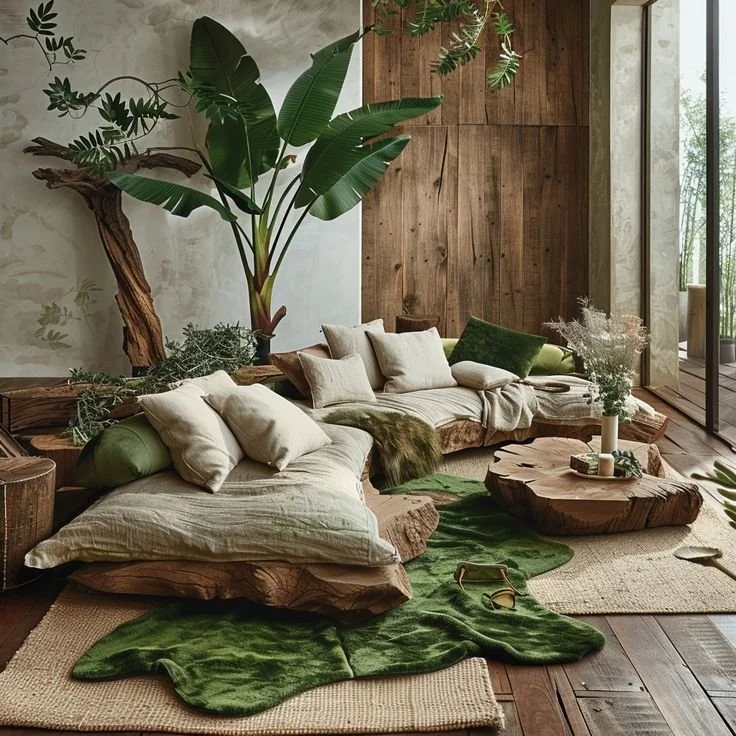
Even before a person speaks, the setting has already made an argument about what is allowed there.
This is especially true when the conversation is meant to touch identity, grief, healing, reinvention, memory, desire, or the private costs of becoming. In those moments, setting is not neutral. It can either reinforce defense or invite release.
Nature, at its best, does something different.
It interrupts speed.
It widens breath.
It softens vigilance.
It reminds the body that truth does not have to emerge in a fight.
That matters to me deeply because Please, BARE With Me is not only interested in what people say. It is interested in what helps them become available enough to mean it.
Nature can help create that distance.
It can also restore proportion.
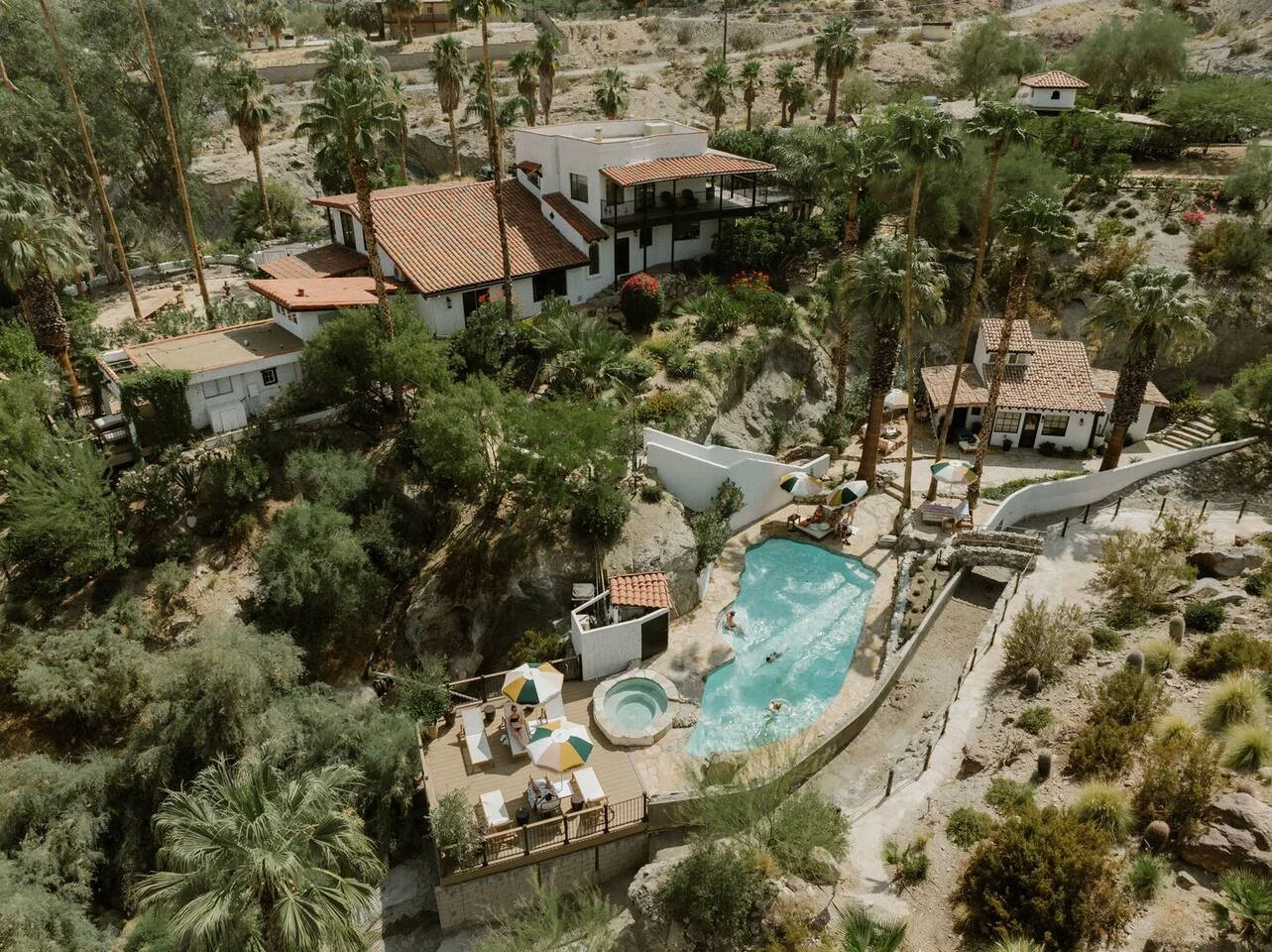
One of the quieter gifts of being in a vast landscape is that it returns us to scale. Our performance, our urgency, our image management, even our carefully maintained narratives can loosen a little in the presence of something older and less impressed. Nature does not flatter the ego, but it can soothe the nervous system. It does not validate every story we tell ourselves, but it often makes room for a more honest one.
That is part of why the visual world of this series matters so much.
Desert landscapes. Farms. Open air. Quiet, regenerative properties. Places where the environment itself begins to do some of the emotional work of setting the tone. I want the viewer to feel that this is not a backdrop. It is part of the method. A co-facilitator. A companion to the conversation. A subtle signal that we are trying to build a different kind of media experience, one rooted in spaciousness, embodiment, and return.
This matters for guests, too.
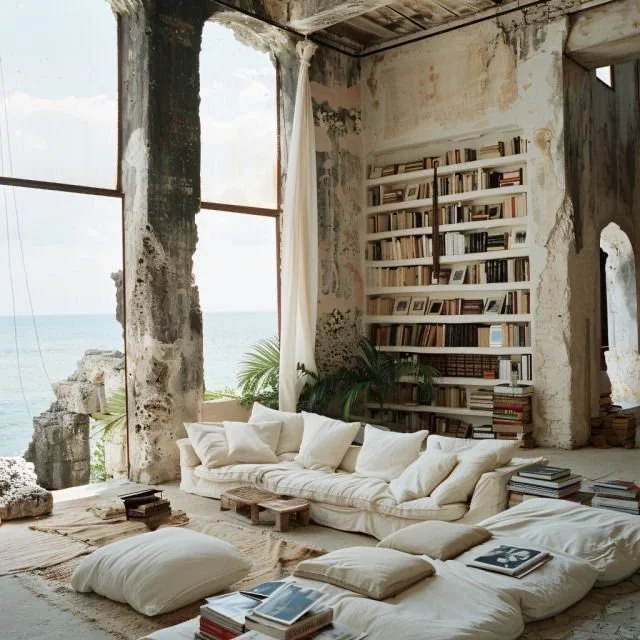
When someone enters a beautiful, intentional, nature-forward setting, they are not only arriving for an interview. They are arriving for an experience that says: there is enough room here for your humanity. There is enough room for complexity. Enough room to not rush your meaning into a soundbite.
That does not guarantee honesty. But it creates conditions that are more hospitable to it.
And hospitality, in this context, is not merely about comfort. It is about what the setting communicates before the first question is even asked.
It says: this conversation is not here to extract from you.
It says: your inner life matters too.
It says: slowness is not a flaw in the process.
It says: becoming deserves a worthy setting.
I think that matters in a culture shaped so heavily by extraction.
Nature offers another rhythm. Not a perfect one. Not a fantasy of escape. But a reminder that life can be organized differently.
That reminder belongs in the DNA of this series.
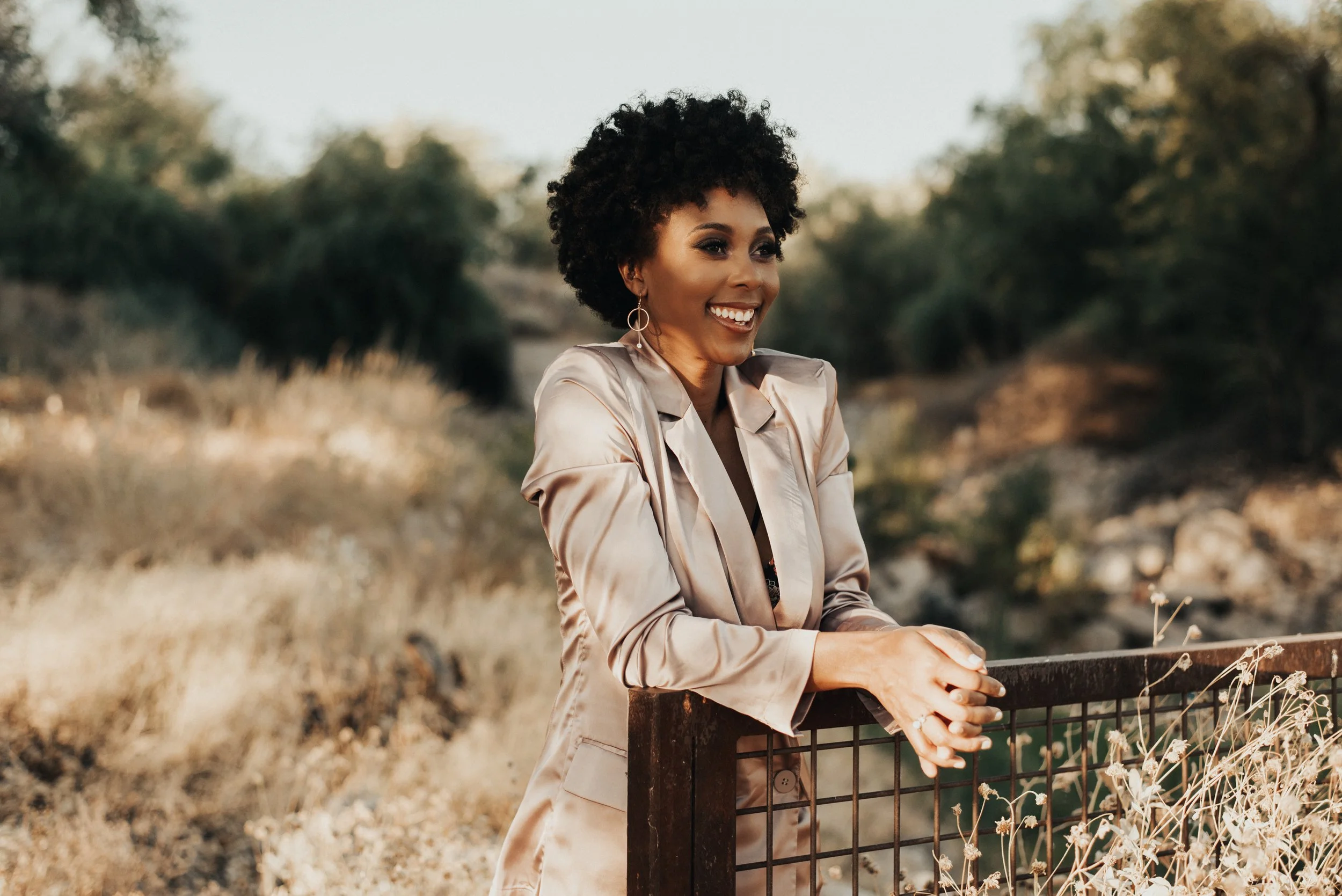
Please, BARE With Me is not trying to simply capture vulnerability. It is trying to create conditions where truth, reflection, and human connection can breathe.
And some stories need more than a set.
They need a setting wide enough to hold the body, the memory, and the becoming all at once.
That is why nature is part of the method.
