
Why Meaningful Media Wins in an Era of Overexposure and Under-Truth
We are living in an age of relentless visibility and shrinking intimacy.
There is more content than any one person could ever meaningfully absorb. More platforms. More opinions. More footage. More personal branding. More pressure to document, optimize, package, and perform. We have become incredibly skilled at making ourselves legible and increasingly disconnected from what it means to be known.
That disconnect is showing.
People are tired in ways that are not just physical. They are tired of polished emptiness. Tired of strategic vulnerability that never risks anything. Tired of content engineered for attention but incapable of contact. Tired of stories that travel fast and land nowhere.
For years, the dominant assumption in media was that more was better: more output, more visibility, more platforms, more urgency, more scale. And in some ways, that assumption worked. It built audiences. It built businesses. It built an entire creator economy around consistency and reach.
But reach is not the same thing as resonance.
And a culture drowning in content eventually starts asking better questions. Not, “What can I watch next?” But, “What actually stays with me?”
What helps me feel less alone?
What gives language to something I have been carrying in silence?
What feels human enough to trust?
That is where meaningful media begins.
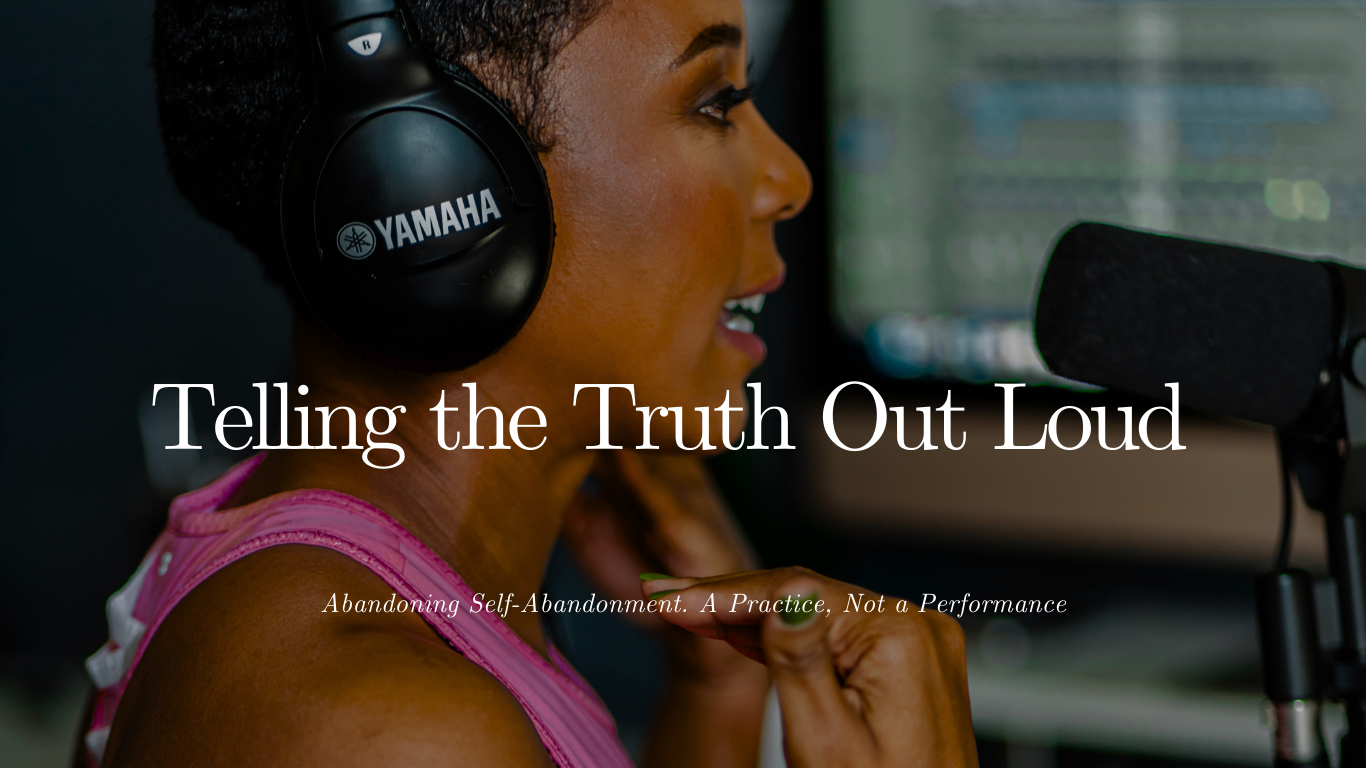
Meaningful media is not content that is merely “serious,” aesthetic, or emotionally confessional. It is media that helps a person make sense of themselves and the world with more honesty, complexity, and care. It is media that does not simply extract attention, but creates orientation. It does not just entertain reaction; it invites reflection. It does not flatten people into archetypes, click targets, or case studies. It allows them to remain human.
This matters because we are watching multiple systems of trust erode at once.
People do not just distrust institutions. They are beginning to distrust the performance of authenticity itself. They know when they are being marketed to through faux intimacy. They can feel when vulnerability has been stripped of actual risk and turned into a brand posture. They can sense when the story has been shaped to travel well but not to tell the truth.
That does not mean people want less story. It means they want better story.
Story with texture.
Story with consequence.
Story with emotional intelligence.
Story that understands timing, power, setting, silence, and what is left unsaid.
Story that leaves room for contradiction.
Story that does not ask a person to become smaller in order to be digestible.
This shift has implications far beyond media companies.
Brands feel it. Communities feel it. Founders feel it. Artists feel it. Event organizers feel it. Even people with no formal relationship to “the media industry” feel it, because the question underneath all of this is not just about content. It is about connection.
How do we create forms of visibility that do not require self-erasure?
How do we tell stories that deepen trust rather than merely simulate it?
How do we create public conversation that still leaves room for dignity?
These are the questions that led me to build Please, BARE With Me.
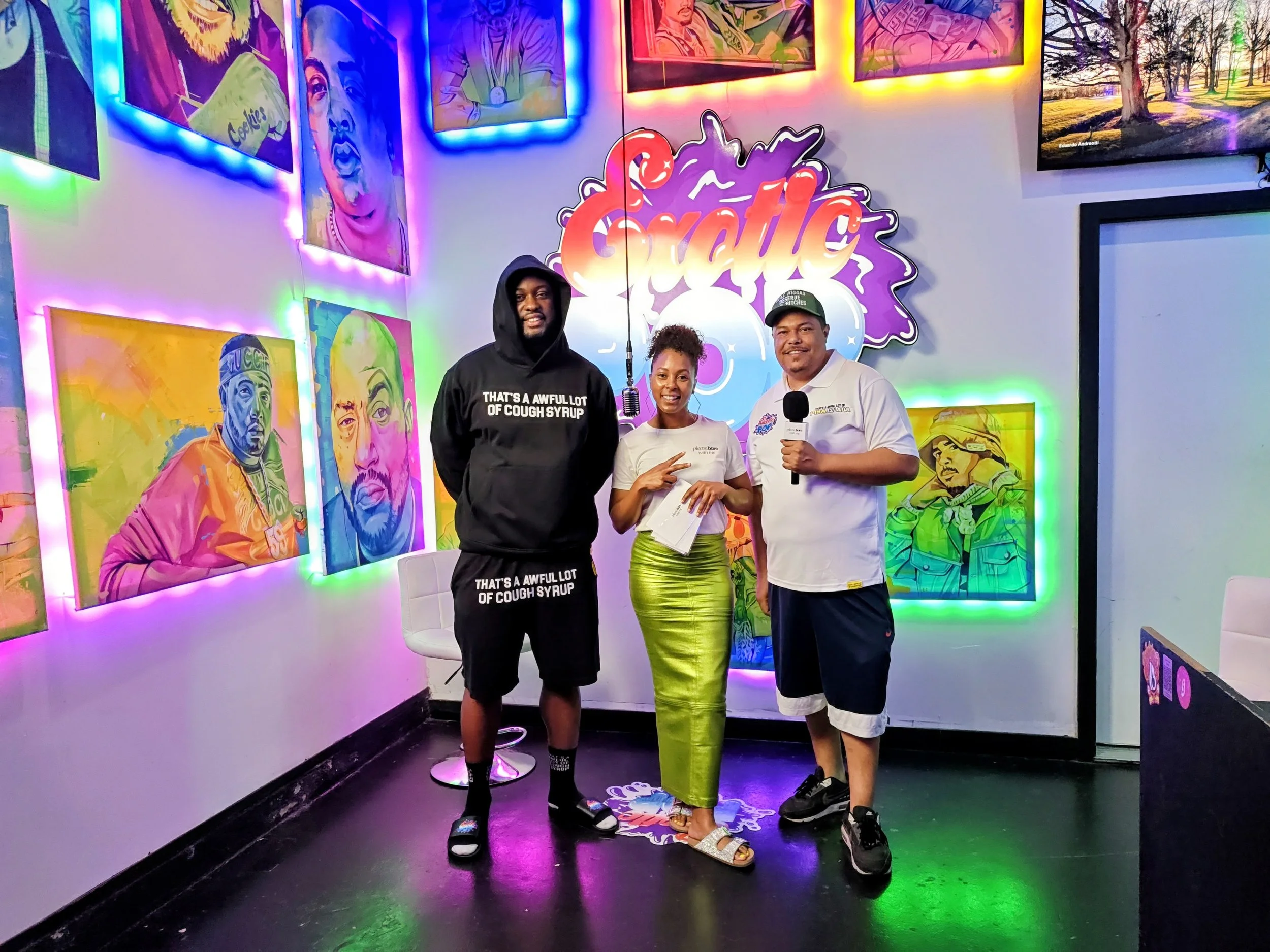
Ms. Marisha poses after interview with Charleston and Rambo, Co-Founders of Exotic Pop LA
Not because the world needs more content, but because it needs more contact. More places where honesty can breathe. More public-facing storytelling that is not hollowed out by performance. More conversation that treats people not as avatars of a niche, but as layered beings navigating grief, reinvention, desire, doubt, ambition, healing, and becoming in real time.
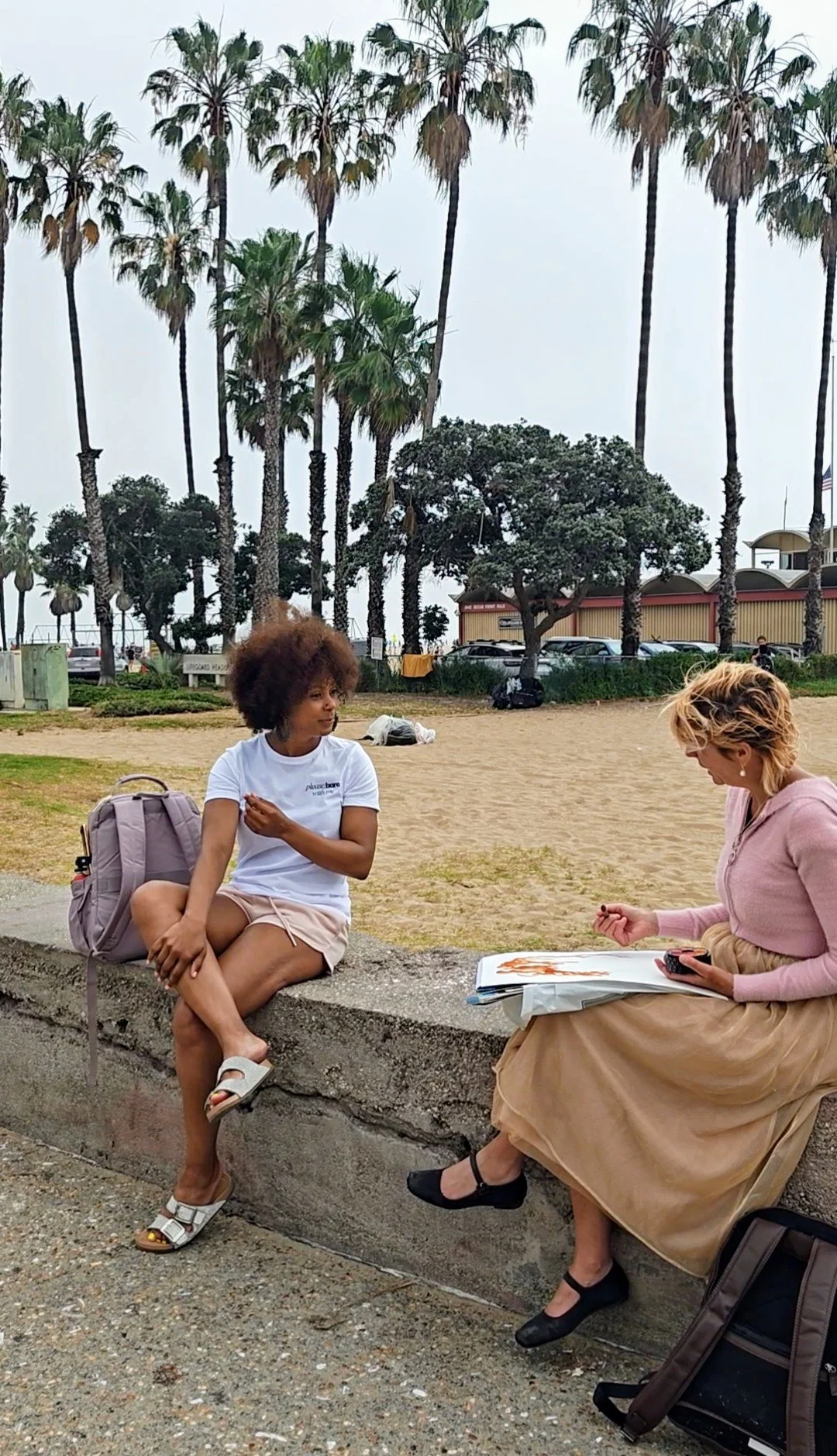
That is why the series moves across formats. Street-style interviews. Intimate conversations. Editorial portraiture. Nature-rooted environments. Public experiences. Each one is trying to answer the same question in a different form: what helps people feel seen while becoming?
Because overexposure without truth leaves people feeling watched, not witnessed.
And witness is part of what people are hungry for.
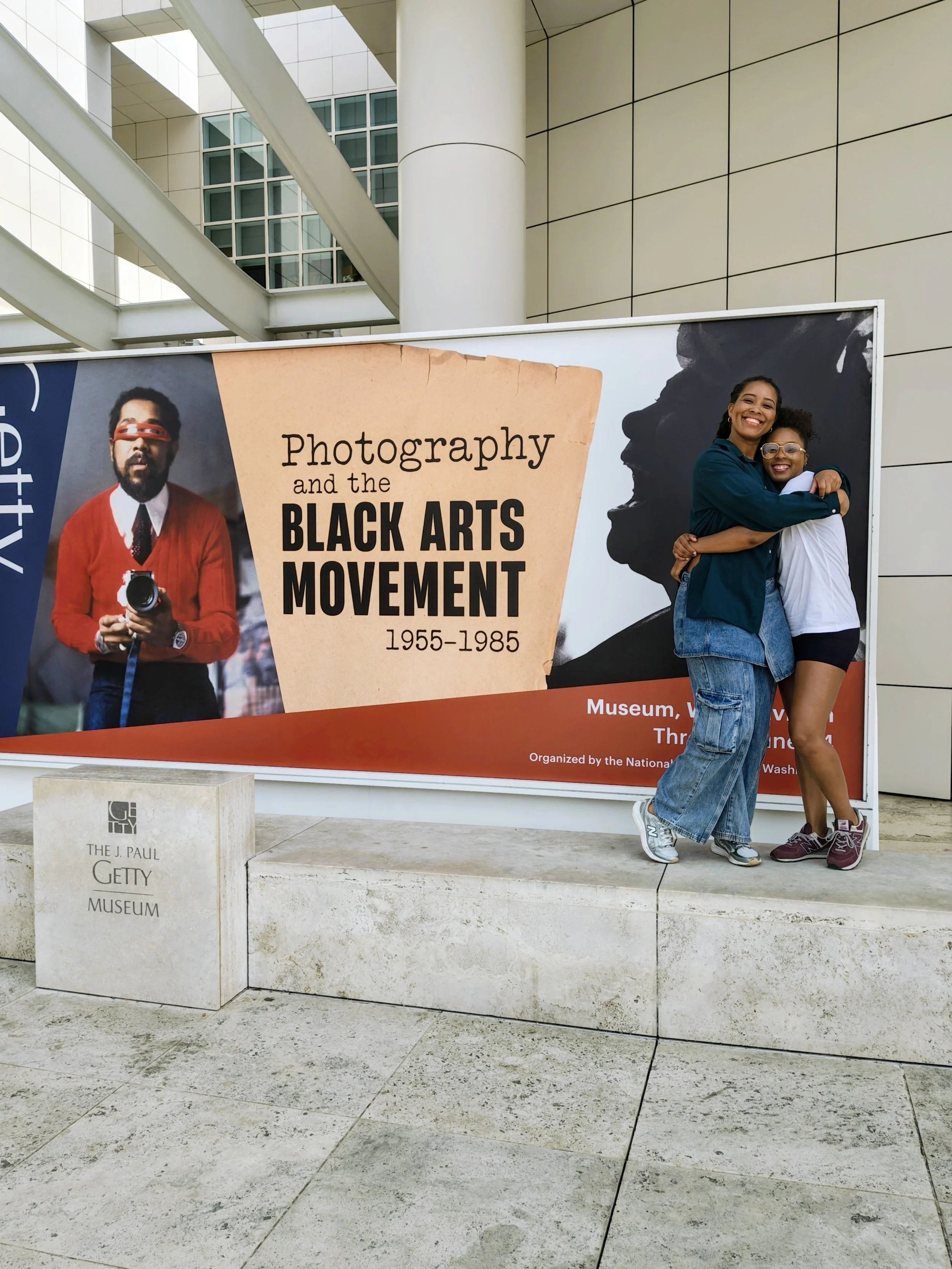
Chavonne Hodges and Ms. Marisha connect at The Getty Museum in Los Angeles
To be witnessed is not simply to be seen. It is to be encountered with enough curiosity, care, spaciousness, and depth that your inner life does not have to disappear in order to become public. That kind of encounter is rare. It is also memorable. It changes the emotional quality of what media can do.
This is why meaningful media will continue to matter more, not less.
Not because people are turning away from entertainment. They are not. Not because everyone suddenly wants long, heavy conversations. They do not. But because even in short form, even in public, even in highly shareable formats, people can feel the difference between content that was made to circulate and content that was made to connect.
The future belongs to media that can do both.
Media that understands craft but is not consumed by polish. Media that knows how to travel without losing its soul. Media that makes room for joy, beauty, contradiction, and emotional precision. Media that can hold intimacy without turning it into spectacle. Media that can be useful to communities and to brands without becoming empty.
In an era of overexposure and under-truth, that is not just an artistic preference. It is a strategic one. Because people remember what helps them feel more real.
And the stories that endure are rarely the loudest ones.
They are the ones that tell us something true enough to keep living with.
